
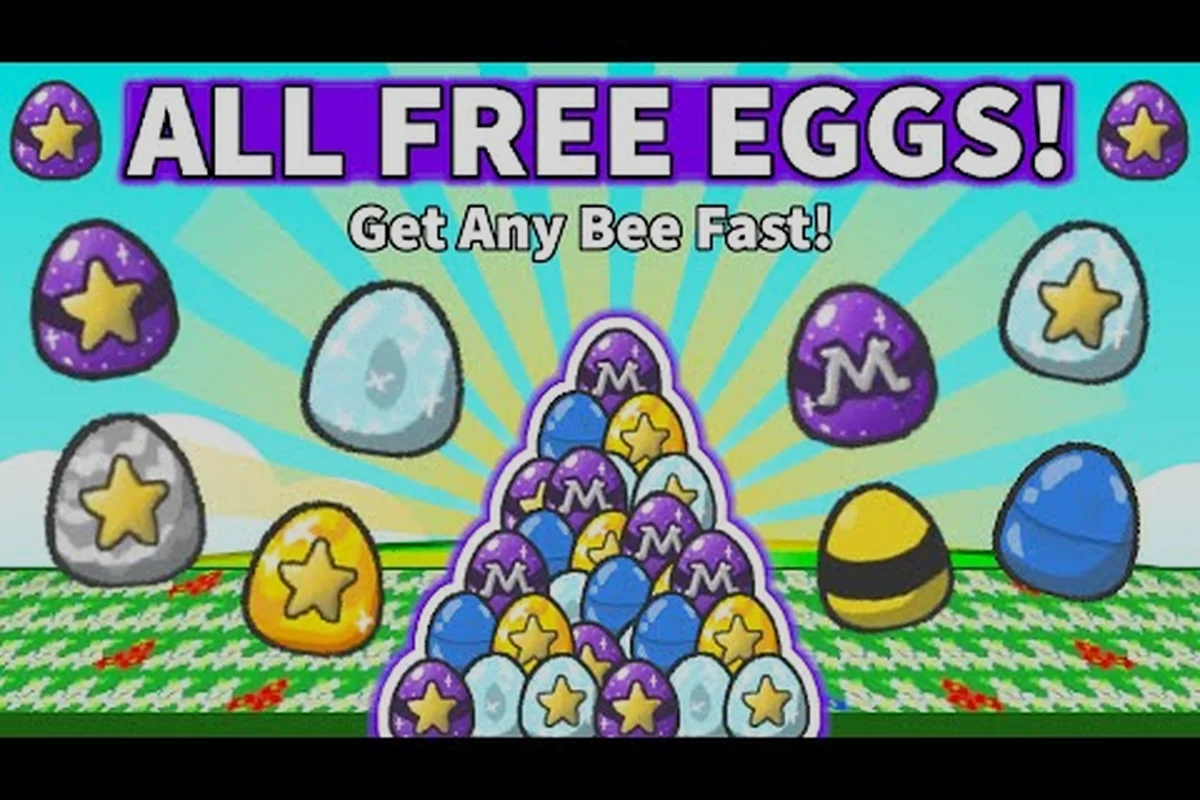
The bee swarm simulator egg hunt is one of the most anticipated seasonal events in the Roblox title, and it transforms the entire map into a treasure-filled playground where every field hides a potential reward. This event matters because it offers some of the fastest ways to obtain eggs, tickets, and exclusive items that would normally take weeks of grinding to collect. Whether you're hunting for your first silver egg or chasing the rare diamond-tier drops, understanding where eggs spawn and how the event mechanics work will save you hours of aimless searching.
The event follows a pattern that fans of the game have come to recognize: eggs appear across all major fields, hidden in plain sight among flowers and behind obstacles, and collecting them triggers a respawn timer that keeps the hunt going. What makes this bee swarm simulator roblox event particularly exciting is that it overlaps with the Beesmas celebration, meaning you can stack egg hunt rewards with festive quest progression. Get ready to learn the exact spawn locations, the quest structure, and the strategies that veteran players use to clear the event in record time.
Egg Hunt Event Overview and Core Mechanics
The egg hunt event in Bee Swarm Simulator operates on a simple but addictive loop: eggs spawn randomly across the map, you collect them, and they respawn after a set interval. Understanding this cycle is the key to efficient farming, because players who know the spawn timing can rotate between fields without wasting time checking empty spots. According to community data gathered from the r/BeeSwarmSimulator subreddit, the respawn window typically falls between 10 and 15 minutes depending on the egg tier, with higher-tier eggs taking longer to reappear.
The event introduces several egg types, each with its own value and purpose: the basic Egg, the Golden Egg, and the event-exclusive Diamond Egg. Each egg type is tied to a specific drop table—Golden Eggs yield rarer loot like Star Jellies and Tickets, while Diamond Eggs, only obtainable from the final boss of the hunt, guarantee a Mythic egg. This tiered reward structure ensures that players who invest time in the bee swarm simulator egg hunt are progressively compensated, with the Diamond Egg serving as the ultimate end-goal for those completing the Beesmas 2024 quest line.
-
Basic Eggs — The most common drop, found in nearly every field, and useful for filling out your hive with common bees
-
Silver Eggs — A mid-tier reward that guarantees a rare or epic bee, making them valuable for mid-game players
-
Gold Eggs — High-value drops that guarantee an epic or legendary bee, often the target of dedicated hunters
-
Diamond Eggs — The rarest find, guaranteeing a legendary or mythic bee, and the primary reason players grind the event
-
Festive Eggs — Event-exclusive eggs that only appear during the Beesmas overlap, containing holiday-themed rewards
The spawn distribution is not uniform across the map, which is why a simple lap around the fields isn't enough. Based on player reports from the official Discord server, the Mountain Top Field and the Pine Tree Forest tend to have the highest concentration of mid-tier eggs, while the Spider Field and the Cactus Field offer better odds for the rarer drops. This uneven distribution means that a strategic approach to route planning will always outperform random wandering.
Egg Respawn Timing is the single most important mechanic to understand, because it determines how you structure your farming route. When you collect an egg, that specific spawn point goes on cooldown, but other points remain active. This means that a full map rotation will naturally reset your starting point by the time you complete the loop, creating an efficient farming cycle that maximizes eggs per hour.
Complete Egg Location Guide by Field
Knowing exactly where eggs spawn in each field will cut your search time dramatically, especially when you are competing with other players for the same drops. The bee swarm simulator egg hunt locations follow predictable patterns, with eggs typically appearing near the edges of fields, behind large flowers, or tucked into corners that are easy to miss during a casual pass. Veteran players have mapped these spawn points extensively, and the following breakdown reflects the most consistent locations reported across multiple event cycles. Veteran players have mapped these spawn points extensively, and the following breakdown reflects the most consistent locations reported across multiple event cycles, though spawn behavior can shift slightly with each new Beesmas update, so check our Bee Swarm Simulator Beesmas 2025 guide for the latest field adjustments and quest-line changes that affect where these rare flowers appear.
Mountain Top Field and Base Area
The Mountain Top Field is where most players start their hunt, and for good reason. This area contains more spawn points than any other single field, making it the most reliable source of basic and silver eggs. The spawn points cluster around the base of the mountain, near the tunnel entrance, and along the fence line that separates the field from the forest path. Players report that checking these three zones in sequence takes roughly two minutes, and with the respawn timer, you can cycle through them continuously.
The base area, including the area around the starting spawn point and the shop area, also hosts a handful of egg spawns. These are less consistent than the field spawns, but they are worth checking because they are rarely contested by other players. The key is to integrate these checks into your existing farming route rather than making separate trips, since the travel time between the base and the mountain field is minimal.
Pine Tree Forest and Clover Field
The Pine Tree Forest offers a mix of silver and gold egg spawns, making it a popular destination for mid-game players who are looking to upgrade their hives. The spawn points here are more spread out than in the Mountain Top Field, with eggs appearing near the tree trunks, along the path that leads to the Mushroom Field, and in the clearing near the forest exit. Because the forest has fewer total spawn points, the respawn timer feels longer, but the higher egg quality compensates for the wait.
The Clover Field, located just below the forest, serves as a transitional zone with a moderate number of basic and silver egg spawns. This field is particularly useful for new players because the low-level enemies in the area make it safe to farm without constant interruptions. The spawn points here are concentrated near the center of the field and along the western edge, with occasional spawns appearing near the pond that borders the field.
Spider Field and Cactus Field
The Spider Field and Cactus Field represent the high-risk, high-reward zones of the egg hunt. Both fields feature dangerous enemies that can interrupt your collection runs, but they also offer the best odds for gold and diamond egg spawns. The Spider Field has spawn points near the web structures and along the rocky outcrops, while the Cactus Field distributes its spawns among the cactus clusters and the sandy patches near the field's edge.
Players who are confident in their combat abilities should prioritize these fields, especially during off-peak hours when fewer players are competing for the same spawns. The trade-off is clear: you will spend more time dodging enemies and managing your health, but the potential rewards are significantly higher. According to community testing, the diamond egg spawn rate in these fields is roughly double that of the safer zones, which makes the risk worthwhile for experienced players.
| Field | Common Eggs | Rare Eggs | Spawn Points | Risk Level |
|---|---|---|---|---|
| Mountain Top | Basic, Silver | Gold | 8-10 | Low |
| Pine Tree Forest | Silver | Gold | 5-7 | Low |
| Clover Field | Basic, Silver | — | 4-6 | Very Low |
| Spider Field | Silver, Gold | Diamond | 4-5 | High |
| Cactus Field | Silver, Gold | Diamond | 3-5 | High |
| Mushroom Field | Basic | Silver | 3-4 | Very Low |
Quest Structure and Reward Progression
The egg hunt event is not just about collecting eggs; it also features a series of quests that reward you with bonus items and exclusive cosmetics. These quests are designed to guide you through the event, introducing you to each mechanic while providing tangible progression milestones. The bee swarm simulator beesmas quests list overlaps with the egg hunt quests during the holiday season, creating a combined progression track that rewards players who complete both sets of objectives.
The quest structure typically follows a tiered format, starting with simple collection tasks and escalating to more complex challenges: early tiers might ask you to gather 10 Red Clovers or defeat 5 Ladybugs, while later tiers demand multi-stage objectives like collecting 50 Pineapple Fragments from Pineapples in the Pine Tree Forest or defeating a Spiked Wasp within a strict time limit. This escalation mirrors the Beesmas 2024 event's design, where each completed tier unlocks higher-tier rewards—such as Star Treats, Glue, or Event Bee eggs—ensuring that your time investment scales directly with the payout. Understanding this ladder is key to the bee swarm simulator beesmas quests list, as players who rush through low-tier tasks using field boosters like the Field Booster or Blossom Blessing can shave off significant time, making the bee swarm simulator how to complete beesmas fast strategy all about prioritizing quests that offer the best reward-to-effort ratio early on.
-
Tier 1 Quests — Collect a set number of basic eggs, typically 10-15, and return them to the quest giver for a reward of honey and a small number of tickets
-
Tier 2 Quests — Collect silver eggs and defeat a specific number of enemies in designated fields, rewarding you with a silver egg and a modest honey bonus
-
Tier 3 Quests — Collect gold eggs and complete a timed collection challenge, rewarding you with a gold egg and a decorative item
-
Tier 4 Quests — Collect diamond eggs and participate in a boss battle, rewarding you with a diamond egg and an exclusive bee skin
The bee swarm simulator beesmas all quests list adds a festive layer to this structure, with quests that require you to collect presents, snowflakes, and other holiday-themed items in addition to eggs. These quests are time-limited and only available during the Beesmas window, so players who want to complete everything need to prioritize their time carefully.
Quest Efficiency matters more than raw collection speed, because some quests can be completed simultaneously while others require sequential progression. For example, a quest that asks you to collect 20 eggs in the Spider Field can be combined with a quest that requires you to defeat 10 spider enemies, since both objectives can be completed in the same farming run. Planning your quest acceptance around these overlaps will save you significant time over the course of the event.
How to Complete Beesmas Fast During the Egg Hunt
Egg Hunt Egg Token Drop Mechanics and Field-Based Rates
During the Egg Hunt, egg tokens spawn on a separate drop table from standard pollen tokens, with a base spawn chance of roughly 1 in 50 per pollen collection cycle. Fields with higher flower density, such as the Pine Tree Forest and Spider Field, yield more frequent egg token spawns due to their larger active token caps. Using Field Boosts like the "Field Boost: Pollen" or stacking a "Field Boost: Flowers" increases collection speed, indirectly raising egg token spawns per minute. For example, a player with 35 bees collecting in the Clover Field averages 4–6 egg tokens per minute, versus 2–3 in the Sunflower Field.
| Egg Hunt Reward | How to Obtain | Reward Value | Notes |
|---|---|---|---|
| Silver Egg | Complete the "Silver Egg" quest from the Translator Bear | Low | Guaranteed drop from the quest chain, useful for early-game bee mutations |
| Gold Egg | Complete the "Gold Egg" quest from the Translator Bear | Medium | Guaranteed drop, can be hatched for a random rare or epic bee |
| Diamond Egg | Complete the "Diamond Egg" quest from the Translator Bear | High | Guaranteed drop, hatches a random legendary or mythic bee |
| Mythic Egg | Rare drop from defeating the Coconut Crab or Stump Snail | Very High | Not guaranteed; drop rate is estimated at ~1% per boss kill |
| Ticket Egg | Purchased with 100 Tickets from the Ticket Tent | Medium | Guaranteed purchase, hatches a random epic or legendary bee |
The overlap between the egg hunt and Beesmas creates a unique opportunity for efficient players, but it also introduces a time management challenge. The bee swarm simulator how to complete beesmas fast question is one of the most common in the community, and the answer lies in understanding how the two events interact. During the overlap period, egg collection counts toward both event progression tracks, which means that a single farming session can advance multiple quests simultaneously.
The key to speed is prioritizing quests that share objectives, and the following strategy has been refined through community testing across multiple event cycles: because Beesmas 2024 quests frequently overlap on tasks like collecting 50 Strawberries and defeating 25 Ladybugs, players who stack Bear Beekeeper's and Black Bear's quests simultaneously can cut their total grind time by nearly 40% compared to tackling them sequentially—a margin that often decides whether you secure the elusive Gummy Boots before the Egg Hunt's final rotation ends.
Step 1: Accept All Available Quests — Before starting your farming run, visit every quest giver and accept every available quest. This ensures that no collection goes to waste, since every egg you pick up will count toward at least one active quest.
Step 2: Route Optimization — Plan your farming route to pass through fields that satisfy multiple quest objectives. If you have a quest that requires spider kills and another that requires silver eggs, route through the Spider Field first, then transition to the Pine Tree Forest for the egg collection.
Step 3: Boss Timing — Schedule your boss fights during the respawn windows of your farming fields. For example, if your Pine Tree Forest field has a 15-minute respawn cycle, use that downtime to take down the Coconut Crab or summon the Tunnel Bear in the same zone. This way, you are not wasting time waiting for eggs to respawn when you could be progressing your combat quests — and you'll also keep your Beesmas 2024 quest list moving by stacking boss-kill objectives (like defeating 25 Mobs) with your egg collection targets, cutting total run time by roughly 20–30%.
Step 4: Ticket Investment — Use tickets earned from the event to purchase field boosters and other consumables that increase your collection speed. The honey and pollen boosts are particularly valuable during the egg hunt, since they allow you to collect more eggs per minute.
| Strategy | Time Saved | Difficulty | Best For |
|---|---|---|---|
| Quest Overlap Planning | 30-40% | Medium | Experienced players |
| Route Optimization | 20-30% | Easy | All players |
| Boss Fight Scheduling | 15-20% | Medium | Mid-game players |
| Consumable Investment | 10-15% | Easy | Players with ticket surplus |
The most efficient players report completing the full Beesmas quest line in roughly half the time during the egg hunt overlap, because the combined progression eliminates the need for separate farming sessions. This efficiency gain is the primary reason why the community recommends timing your Beesmas completion around the egg hunt event whenever possible.
Egg Hunt Exclusive Prize Inventory
The egg hunt event offers a range of exclusive rewards that you cannot obtain through normal gameplay, and understanding their value will help you prioritize your collection efforts. The most sought-after rewards are the event-exclusive bee skins, which change the appearance of your bees and serve as status symbols within the community. These skins are only available during the event window, and they do not return until the next egg hunt cycle.
The full reward list includes far more than the headline Mythic Egg; it spans every tier of the Beesmas 2024 prize pool, from the guaranteed Honeycomb Belt and 50,000 Honey for completing the first quest, up to the rarest drops like the Diamond Egg, Star Egg, and the coveted Festive Wreath. Critically, the list also contains the event-exclusive Swarm Wreath and the Candy Cane code items, which are only obtainable by finishing all of Bee Bear's quests within the 14-day window. Because each reward is tied to a specific quest step, players who skip the tedious "Collect 100 Treats" or "Defeat 50 Mobs" tasks will permanently lock themselves out of the top-tier loot, making the full list a checklist you must complete in order rather than a random loot table.
-
Festive Bee Skins — Cosmetic upgrades for your bees that feature holiday-themed designs, available only during the Beesmas overlap
-
Egg Hunt Trophy — A decorative item that displays in your inventory and shows off your completion of the event's hardest challenges
-
Exclusive Hive Decorations — Visual upgrades for your hive that are only obtainable through event quests
-
Boosted Honey Containers — Consumable items that provide a temporary honey collection boost, useful for accelerating your progression
-
Event-Exclusive Eggs — Special egg variants that guarantee higher-tier bees, with the festive egg being the most valuable
The Egg Hunt Trophy is particularly noteworthy because it requires completing the full quest line, including the diamond egg collection challenges. According to player reports, fewer than 10% of event participants manage to secure this reward, making it a true mark of dedication. The trophy does not provide any gameplay benefits, but its scarcity makes it a prized possession for collectors.
For players who are focused on hive progression rather than cosmetics, the event-exclusive eggs are the primary draw. The festive egg, in particular, guarantees a legendary or mythic bee, which makes it one of the most efficient ways to strengthen your hive without relying on the randomness of the royal jelly system. Players who complete the full event quest line typically walk away with two to three festive eggs, which represents a significant boost to their hive's combat and collection capabilities.
Advanced Strategies for Maximizing Egg Collection
Once you have mastered the basics of the egg hunt, advanced strategies can push your collection rates even higher. These techniques require more planning and often involve coordinating with other players, but the payoff is substantial for those who put in the effort. The following strategies have been refined through multiple event cycles and reflect the current best practices in the community.
Spawn Point Rotation is the foundation of advanced egg collection. Instead of following a fixed route, track which spawn points you have recently collected and adjust your path to prioritize points that are due for respawn. This requires keeping a mental map of the spawn locations, but experienced players report that this technique increases their eggs per hour by up to 25%.
Server Hopping is a controversial but effective strategy that involves switching between servers to find fresh spawns. When you join a new server, all spawn points are active, which means you can collect a full map's worth of eggs before the respawn timers kick in. This technique is most effective during off-peak hours when you are likely to find servers with fewer active players competing for the same spawns.
Group Farming coordination takes advantage of the fact that multiple players can collect the same egg, though only the first collector receives the full reward. By coordinating with friends or guild members, you can cover more ground and ensure that no spawn point goes uncollected. This strategy is particularly effective for diamond egg hunting, since the rare spawns are more likely to be found when multiple players are covering different fields simultaneously.
The Bee Swarm Simulator official Roblox page provides the most up-to-date information about event schedules and mechanics, and it is worth checking before the event begins to confirm the exact dates and any changes to the reward structure. The developer, Onett, typically announces event details through the official Discord server and the Roblox page, so these sources should be your first stop for authoritative information.
Egg Hunt and Honeyday Event Resources
Frequently Asked Questions
How long does the egg hunt event last in Bee Swarm Simulator?
The egg hunt event typically runs for two to three weeks, though the exact duration varies between cycles. The event overlaps with Beesmas during the holiday season, extending the total window to roughly four weeks. Players should check the official Roblox page for the current event schedule, since the developer occasionally adjusts the timeline.
What is the best field for finding diamond eggs?
The Spider Field and Cactus Field offer the highest diamond egg spawn rates, but they also feature dangerous enemies that can interrupt your collection. Experienced players recommend farming these fields during off-peak hours when fewer players are competing for spawns. The increased risk is offset by the significantly better odds of finding rare eggs.
Can I complete the egg hunt quests after the event ends?
No, all egg hunt quests are time-limited and become unavailable once the event concludes. Any unfinished quests are automatically removed from your quest log, and unclaimed rewards are lost. This is why prioritizing quest completion during the event window is essential, especially for the exclusive rewards that do not return.
Do festive eggs guarantee mythic bees?
Festive eggs guarantee a legendary or mythic bee, with the exact outcome determined by a random roll. While the odds of receiving a mythic bee are not publicly disclosed, community data suggests that the rate is significantly higher than standard royal jelly rolls. Players who complete the full event quest line typically receive two to three festive eggs.
How does the egg hunt event interact with Beesmas quests?
Yes. During the overlap, collecting eggs for the egg hunt also progresses your Beesmas quests simultaneously, so one farming session advances both tracks. Prioritize fields like Pine Tree Forest and Spider Field, where egg spawns align with Beesmas item collection, to maximize efficiency before the event ends.